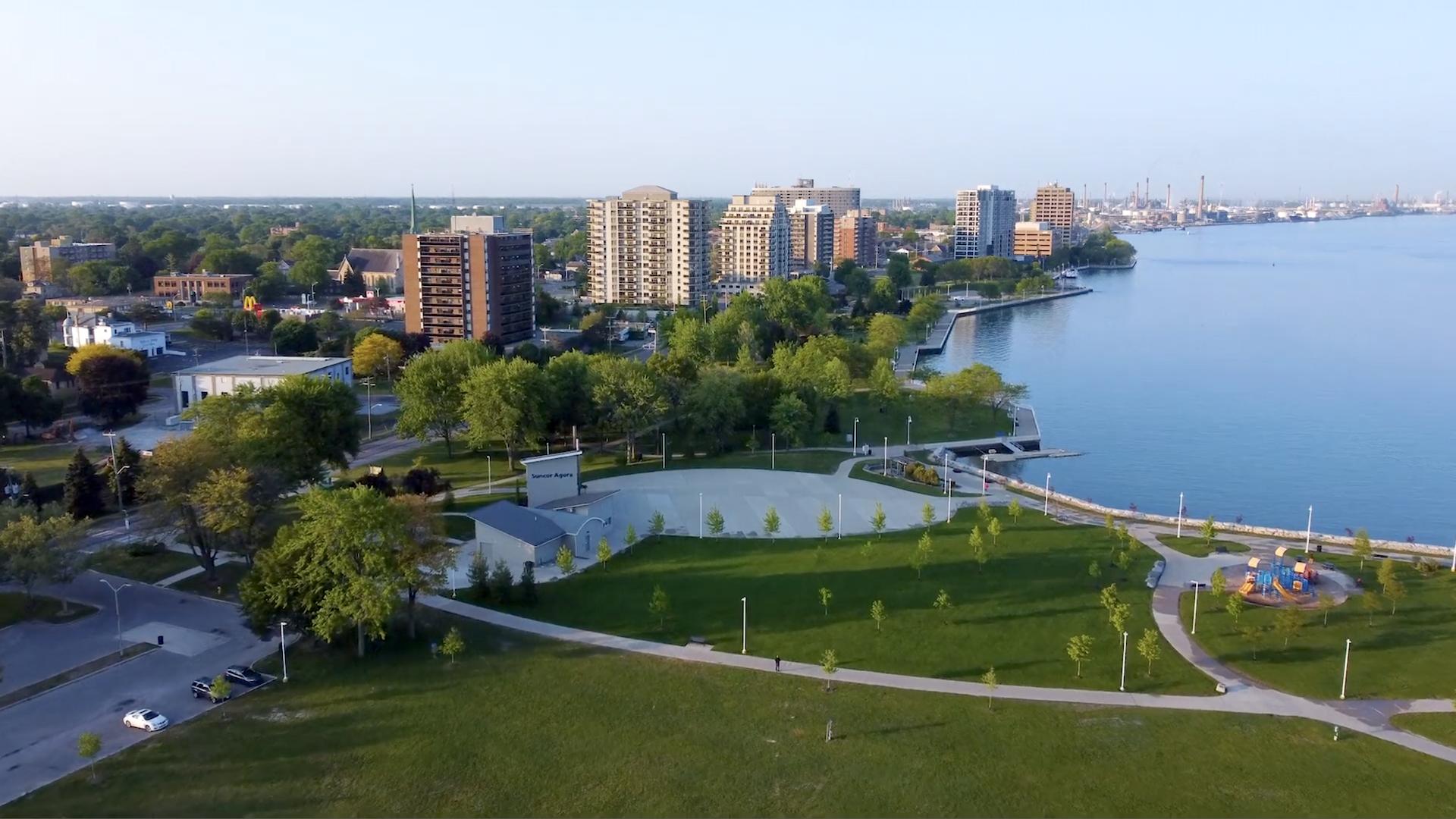
Walk any block near Sarnia’s riverfront or the older streets of Petrolia and you will find the bones of several eras of housing. Postwar brick walk‑ups, large homes converted to triplexes, a handful of mid‑rise purpose‑built buildings, and newer infill scattered near Lambton College. That mix tells you something about how multifamily property works here. It is local, it is influenced by industry cycles, and it is governed by Ontario’s rent control and building safety frameworks. When someone asks for a commercial real estate appraisal in Lambton County, they are not asking for a template. They are asking for judgment that accounts for both the spreadsheet and the street.
This piece looks closely at how multifamily assets are valued across Lambton County, with attention to Sarnia, Point Edward, Petrolia, Forest, and Lambton Shores. It covers the valuation approaches that matter, what data actually moves value, and the local conditions that shape risk and return. For owners and lenders, a thorough commercial property appraisal in Lambton County is not just a requirement, it is a map for decision‑making.
What counts as multifamily around here
In this market, “multifamily” often means one of four typologies. First, the low‑rise walk‑up, usually 8 to 30 suites, built between the 1950s and 1970s. These properties show up heavily in Sarnia’s older neighborhoods and near transit. Second, converted houses, from duplexes up to sixplexes, common in Petrolia and older parts of Forest, where large heritage homes were split over time. Third, mid‑rise purpose‑built buildings, typically from the late 1970s through 1990s, with elevators and slightly larger suites. Finally, newer purpose‑built rentals in Sarnia and near Lambton College, constructed over the past decade to meet student and workforce demand.
Each asset type carries different valuation levers. Conversions often wrestle with legal non‑conforming status or missing fire retrofit documentation. Older walk‑ups can have attractive footprints and stable tenant bases, but larger CapEx shadows from plumbing stacks, balconies, and roofs. Newer builds shine on energy costs and rents, yet command sharper capitalization rates that magnify small underwriting misses.
Highest and best use, not just highest rent
A disciplined appraisal starts with highest and best use. The best income stream does not always match the legal and physical reality of the site. That is particularly true in Lambton Shores and Grand Bend, where short‑term rentals surged and then ran into local by‑law limits and neighborhood resistance. A sixplex with parking tight to the lot line, sandwiched between cottages, might earn more in summer from weekly rentals than from year‑round leases, but if zoning and licensing do not support it, those pro formas will not anchor value.
In Sarnia, highest and best use often comes down to intensification potential and parking counts. Can a 12‑unit walk‑up feasibly add four suites in the basement, or will the site plan and parking requirements block it? Can storage rooms convert to revenue or are they supporting life safety systems? An experienced commercial appraiser in Lambton County will test these scenarios against the Official Plan, the zoning by‑law, and the building code, not just an owner’s concept.
Industrial adjacency is another local wrinkle. Buildings near Chemical Valley or along the highway corridors can be close to stable employment, which reduces vacancy risk, but they also carry perceptions about odors, traffic, or future land use conflict. Appraisers price that risk softly through cap rates and hard through expected vacancy and expense contingencies.
The data that actually moves value
The market talks in rent rolls, not wish lists. In practice, five categories of information change a multifamily value in Lambton County by meaningful margins.
Rents and suite mix. A rent roll that shows a spread between contracted rents and market support tells a story about upside and the time and cost to reach it. One building might carry a third of its suites under long‑term tenancy at below‑market rates because of Ontario’s rent control framework. Another two suites might be at market from recent turnovers. The mix by unit type matters as well, with one‑bedrooms typically deeper in demand for student and senior tenants, while two‑bedrooms push higher gross rent per unit but not always higher rent per square foot.
Turnover and loss to lease. Historic turnover reveals how quickly an owner is likely to capture new rents. If a property averages 10 to 15 percent turnover, an under‑market rent position could take several years to close. Underwriting that pace properly avoids aggressive stabilization timelines that lenders will haircut.
Utilities and mechanicals. Separately metered hydro for suites changes expense structures. Central boilers in older walk‑ups often mean the owner carries gas and hot water costs, and these have been volatile. Updated boilers, heat pumps, or new windows filter straight into the expense ratio and thus into NOI. In rural hamlets with private wells or septic, operating and maintenance costs can be lumpy, and lenders will ask for recent inspection records.
Other income. Parking fees, laundry, storage lockers, and, in a few assets, rooftop antenna or signage revenue, can add 3 to 6 percent to effective gross income. The trick is persistence. An appraiser will discount transient items and favor income with paper trails and leases.
Capital expenditures. If balconies need railing replacement or plumbing stacks are near end of life, a prudent appraisal will reserve for recurring capital needs. That may mean translating past invoices into a stabilized annual reserve, not just a one‑time item.
Income approach, the workhorse
For income‑producing multifamily assets across the county, the income approach usually drives value. The math is simple on the surface: value equals stabilized net operating income, divided by the capitalization rate. The art sits in what counts as stabilized and which cap rate makes sense for that building, on that street, on that date.
Consider a 20‑suite low‑rise in Sarnia, with average in‑place one‑bedroom rents of $1,250, two‑bedrooms at $1,450, and a few studios at $1,000. Suppose the market supports $1,400 for one‑bedrooms and $1,650 for two‑bedrooms in that submarket, based on recent leasing. If turnover runs at 12 percent annually, the building will take multiple years to climb close to market. A cautious commercial building appraisal in Lambton County will model current income, adjust for a supportable near‑term re‑renting cadence, apply a vacancy allowance aligned with CMHC’s Rental Market Survey for Sarnia (with a check against building‑specific history), and normalize expenses using actuals and market benchmarks.
Small variations magnify. If stabilized NOI pencils to $280,000, a 6.25 percent cap rate implies a value just under $4.5 million. Shift the cap rate 50 basis points wider for perceived risk, and the indication moves by roughly $350,000. That is why appraisers defend each input with local evidence: trailing 12‑month expenses, utility bills, insurance quotes, and lease files, not just a market average.
Lenders often apply their own filters. A bank might cap utility savings from a recent retrofit until a full winter’s bills are available, or they might use a stressed vacancy rate if a property relies heavily on student tenants near Lambton College. The appraiser’s task is to present a balanced stabilized view that a lender can underwrite without rebuilding the file.
Direct comparison, done carefully
The direct comparison approach supports or brackets the income conclusion, especially for smaller buildings where owner‑users or private investors weigh psychology as much as yield. In Lambton County, comparable sales tend to cluster and then go quiet, so recency and adjustment discipline matter.
A converted triplex in Petrolia rarely compares straight across to a 10‑unit walk‑up in Sarnia. That is why we lean on per‑suite metrics, gross rent multipliers, and, where data allow, implied cap rates at sale. If a sale closed 10 months ago in Point Edward at a 6 percent cap on stabilized income, with strong parking and updated mechanicals, it may bracket the subject at a similar or slightly wider rate today, depending on interest rate shifts and leasing conditions. Appraisers adjust for suite mix, location, age and condition, parking, and legal status of units. When market inputs conflict, we weight the most comparable attributes rather than chase the highest price per door.
The cost approach, when it is useful
For newer buildings, or when a lender is concerned about insurable value, the cost approach can add a reference point. Replacement cost new, less physical depreciation, plus land value, yields an indication that keeps results sensible. In practice, many mid‑century walk‑ups have functional components that would not be reproduced exactly today. That means we account for functional obsolescence and code‑driven upgrades that a modern replacement would require. In rural parts of the county, land sales for multifamily are infrequent, so land value often relies on extraction from recent rental developments or on broader residential intensification sites with appropriate zoning or planning support.
Local conditions that shape risk and return
Sarnia’s employment base, anchored by petrochemical and energy, has a long cycle memory. Periods of expansion bring in skilled trades and contractors who drive short‑term demand for rentals, especially furnished units near project sites. Slowdowns, or transitions between major capital projects, can increase vacancy. That volatility must be scaled against the baseline tenant mix: seniors on fixed incomes, service sector workers, and students build a different risk quilt than a property marketed primarily to project crews.
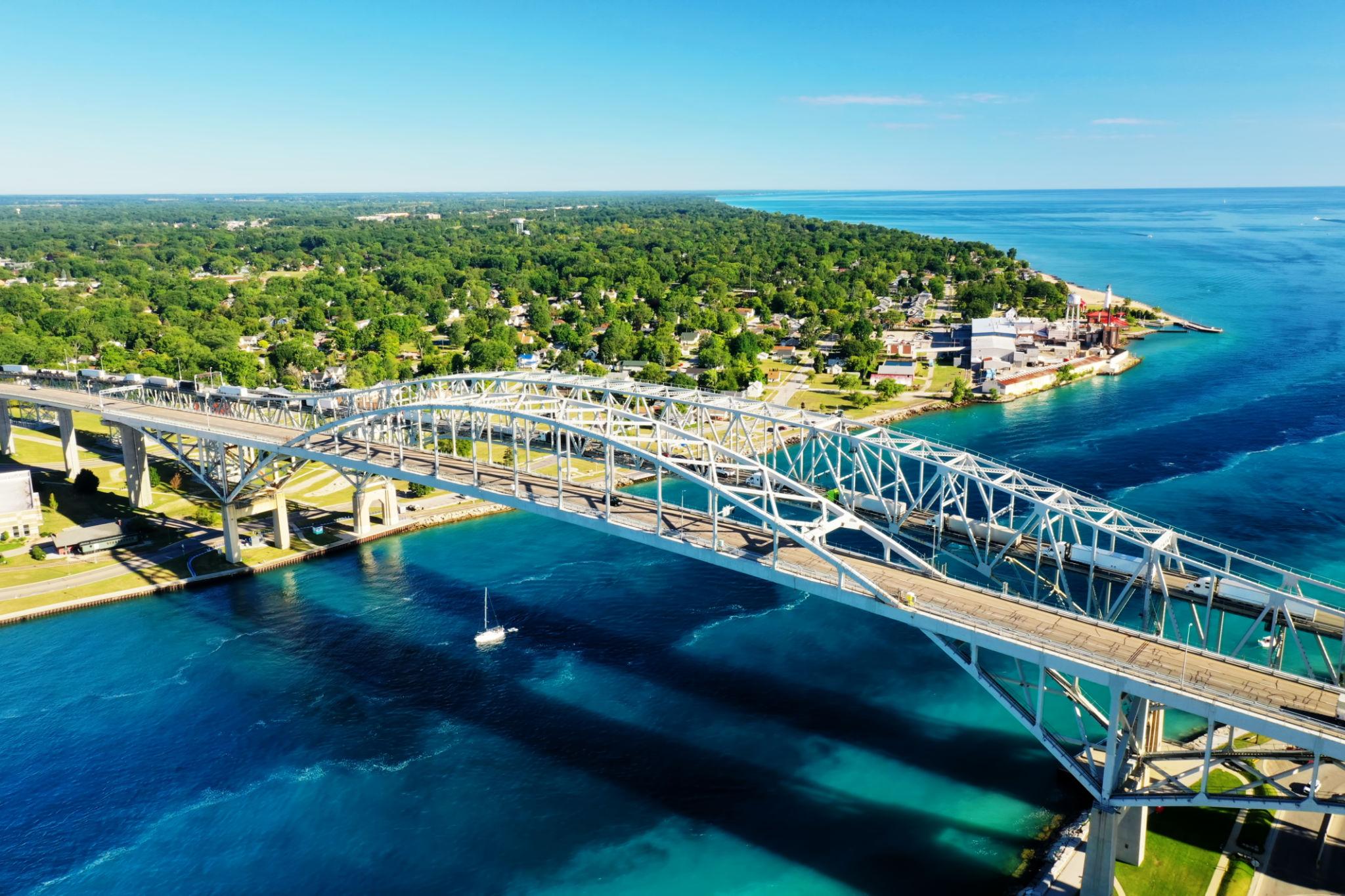
Cross‑border dynamics contribute at the margins. The Bluewater Bridge brings cross‑border commuters and logistics activity, which supports Sarnia’s economy and retail nodes. It does not, on its own, spike multifamily rents, but it underpins stability.
Lambton Shores and Grand Bend show classic seasonal patterns. Weekly rentals roar in summer. Long‑term rentals near the beach can experience winter vacancy or rent concessions, alongside utility cost spikes during cold snaps. Local by‑laws on short‑term rentals and parking restrictions matter. An appraisal that ignores those rhythms overstates sustainable income.
Environmental history is the other local constant. Properties near rail corridors, former service stations, or older industrial uses sometimes need an Environmental Site Assessment. Even when a site is clean, the absence of a recent Phase I report can be a problem for lenders. For riverfront or lakeshore assets, floodplain mapping and the elevation of mechanical rooms affect risk and insurance. I have seen a small Sarnia mid‑rise drop a full cap rate bracket after a carrier repriced flood coverage due to updated maps.
Common pitfalls in Lambton County multifamily appraisals
The same traps recur.
- Treating MPAC assessments like value. Assessment is a tax tool. It can anchor land value trends loosely, but it does not capture actual income, expense, or condition drivers. Ignoring legal status. A basement suite added 20 years ago without permits might be tolerated, but that does not make it legal. Lenders will ask for fire retrofit letters, zoning compliance, and occupancy numbers. Underestimating rural costs. Septic fields, private wells, and propane systems introduce maintenance cycles that differ from urban gas and sewer. The annualized cost of inspections and occasional replacements should sit in the underwriting. Missing soft revenue drag. Free parking, uncollected laundry revenue, or inconsistent storage fees are all reversible, but not instantly. Appraisers typically haircut these upsides until there is a demonstrated track record. Overlooking staffing. A resident superintendent can be a cost or a value driver. Where one person handles cleaning, minor maintenance, and tenant relations well, expenses fall and turnover steadies. Where the role is vacant or poorly filled, the reverse happens.
Documents that speed a commercial appraisal
Owners who assemble a clear package make the process faster and the results tighter. If you are engaging commercial appraisal services in Lambton County for a multifamily asset, expect the appraiser to ask for:
- Current rent roll with lease dates, rents, deposits, and parking or locker fees Trailing 12 months of operating statements with utility bills and property tax statements A list of capital improvements over the past 5 to 10 years with invoices where available Copies of fire retrofit letters, building permits for suite additions, and any ESA reports Site plan, as‑built drawings if available, and a summary of parking counts and configurations
A thoughtful owner also flags any pending rent increases, recent turnovers, or insurance renewals that will change the numbers within the next 60 to 90 days.
Ontario’s rules and the shape of upside
Any credible appraisal of a rental building in this county must run through the lens of Ontario’s Residential Tenancies Act. Annual guideline increases cap what landlords can do on sitting tenants, barring specific exceptions such as approved above‑guideline increases for major eligible capital work. That means a building with many long‑term tenants will carry a measurable loss to market, and the pace of closing that gap will be slow unless turnover accelerates. Buyouts and negotiated tenant relocations appear in the market, but they come with reputational, legal, and ethical considerations that lenders assess critically.
Purpose‑built student housing near Lambton College follows different mechanics. Furnished rentals, 8 to 12 month leases, and higher churn can produce attractive gross yields but require higher maintenance budgets and stricter management. Stabilized vacancy allowances for those properties will look different than for a seniors‑oriented building in Petrolia.
Capturing the cap rate, not chasing it
The capitalization rate is not an opinion tossed over the fence. It flows from comparable sales, normalized for changes in interest rates, and from investor surveys when local data are thin. For core Sarnia walk‑ups in solid condition with parking and a history of low vacancy, cap rates in recent years have clustered in a mid‑single‑digit band. For rural or tertiary locations, or properties with heavier upcoming CapEx, buyers demand a wider rate. Fresh capital projects across the river in Michigan or a Bank of Canada move can nudge investor sentiment quickly. A commercial appraiser Lambton County owners trust will show both the numbers and the narrative that led to the selected rate.
A short vignette from the field
A few years back, a client pursued a 12‑unit brick walk‑up just east of downtown Sarnia. The building had been family‑owned for decades. Eight of the units were well below market, four had turned in the past 18 months. The boiler was five years old, windows were older but tight, and there was an unlined chimney the insurer had flagged.
On first pass, the deal looked rich on a price per door basis against a recent Point Edward sale. On income, however, the building carried strong other income from parking and laundry, and the re‑rented suites demonstrated a clear path to market. The appraisal modeled a gradual rent lift consistent with the building’s historic turnover, added a reserve for a chimney liner and future balcony work flagged in a contractor’s quote, and used a vacancy allowance aligned with CMHC’s Sarnia data, not zero as the seller claimed.
The indicated value landed within three percent of the contract price, under a cap rate slightly wider than the Point Edward comp due to location and remaining under‑market rents. The lender accepted the report without adjustment, with a note that they would revisit utility underwriting after a winter season confirmed the boiler’s efficiency. That is how a good appraisal helps both sides by translating a story into defendable numbers.
Timelines, fees, and scope with a commercial appraiser
Most multifamily assignments in the county run two to three weeks from site inspection to final report, depending on document readiness and tenant access. Larger buildings or those with environmental or legal complexities can stretch longer. Fees scale with scope: a standard narrative report for a 10 to 20 unit building differs from a portfolio valuation or a highest and best use study with redevelopment scenarios.

Scope matters. A commercial real estate appraisal Lambton County lenders accept will spell out extraordinary assumptions, such as pending ESA clearance or completion of a capital project. It will note limiting conditions, especially when relying on owner‑provided data. Clarity here avoids surprises for closing counsel and credit committees.
Value‑add plans that actually hold up
Investors often ask how much value new kitchens, flooring, or exterior upgrades create. The short answer is that value follows rent, and rent follows what tenants will pay in that micro‑location. In Sarnia, mid‑grade finishes with new appliances can move a one‑bedroom rent by a sensible amount on turnover, particularly if paired with improved common areas and better lighting. Over‑improvement for a neighborhood rarely pays back.
Exterior work deserves attention. Parking lots in poor condition, loose railings, and faded common‑area paint do not just depress rents, they also turn off lenders and insurers. Appraisers will reflect those risks in both a reserve and the selected cap rate. Upgrades that trim expenses, such as LED retrofits or low‑flow fixtures, build value through NOI with less tenant churn risk.
Choosing the right partner for commercial appraisal services
Appraisal is a regulated profession in Canada. For a commercial property appraisal in Lambton County, look for an AACI‑designated appraiser who practices under the Canadian Uniform Standards of Professional Appraisal Practice, carries appropriate insurance, and can point to recent multifamily assignments in Sarnia and surrounding towns. Local market literacy matters as much as national methodology. Someone who knows which blocks near the river sit in the updated flood fringe or which stretches https://privatebin.net/?e8bb5e79f5d1ae4b#EA4Mn74zKnPNp5Wx1ZyCYSL5AfcamJTyPEnbbr53j5U3 of Lakeshore Road face septic constraints will save you time and avoid costly misreads.
When comparing firms, I advise clients to focus on a few concrete points:
- Relevant multifamily files completed in the county within the past 12 to 24 months Willingness to defend the report with lenders and answer follow‑up questions Transparency on assumptions for vacancy, expenses, and reserves, tied to evidence A clear plan for data verification, including lease file sampling and utility review Turnaround times that fit your transaction calendar without sacrificing depth
There is no single right answer for every asset, but there are wrong shortcuts. A thorough commercial building appraisal in Lambton County should leave you with a model you can update as rents change, expenses move, or capital projects finish.
Final takeaways
Multifamily appraisal here is a craft built on local facts. Rents do not sit on a straight line upward. They hinge on tenant mix, building condition, and what is happening at the plants, the college, and along the lake. Environmental context and municipal rules set hard edges around what is possible. When you hire a commercial appraiser in Lambton County who respects those boundaries and brings the numbers to life, you get more than a report. You get a decision tool that matches the property’s reality, supports financing, and guides the next year of ownership.
Whether you are refinancing a stabilized walk‑up in Sarnia, buying a small portfolio across Petrolia and Forest, or testing the feasibility of a new build near Lambton College, insist on a process that grounds every assumption. That is the difference between a valuation that clears a closing and one that helps you run the building well for the next decade.