New construction always looks straightforward on paper. A clean site, a modern plan, a builder lined up, and a pro forma that shows tidy returns once the doors open. In practice, valuing new commercial buildings is a careful blend of cost verification, market reading, and risk assessment, especially in a place like Lambton County where industrial clusters, cross‑border logistics, and small‑town main streets intersect. A sound appraisal guides lending, equity decisions, insurance limits, and even project scope before the shovel hits the ground.
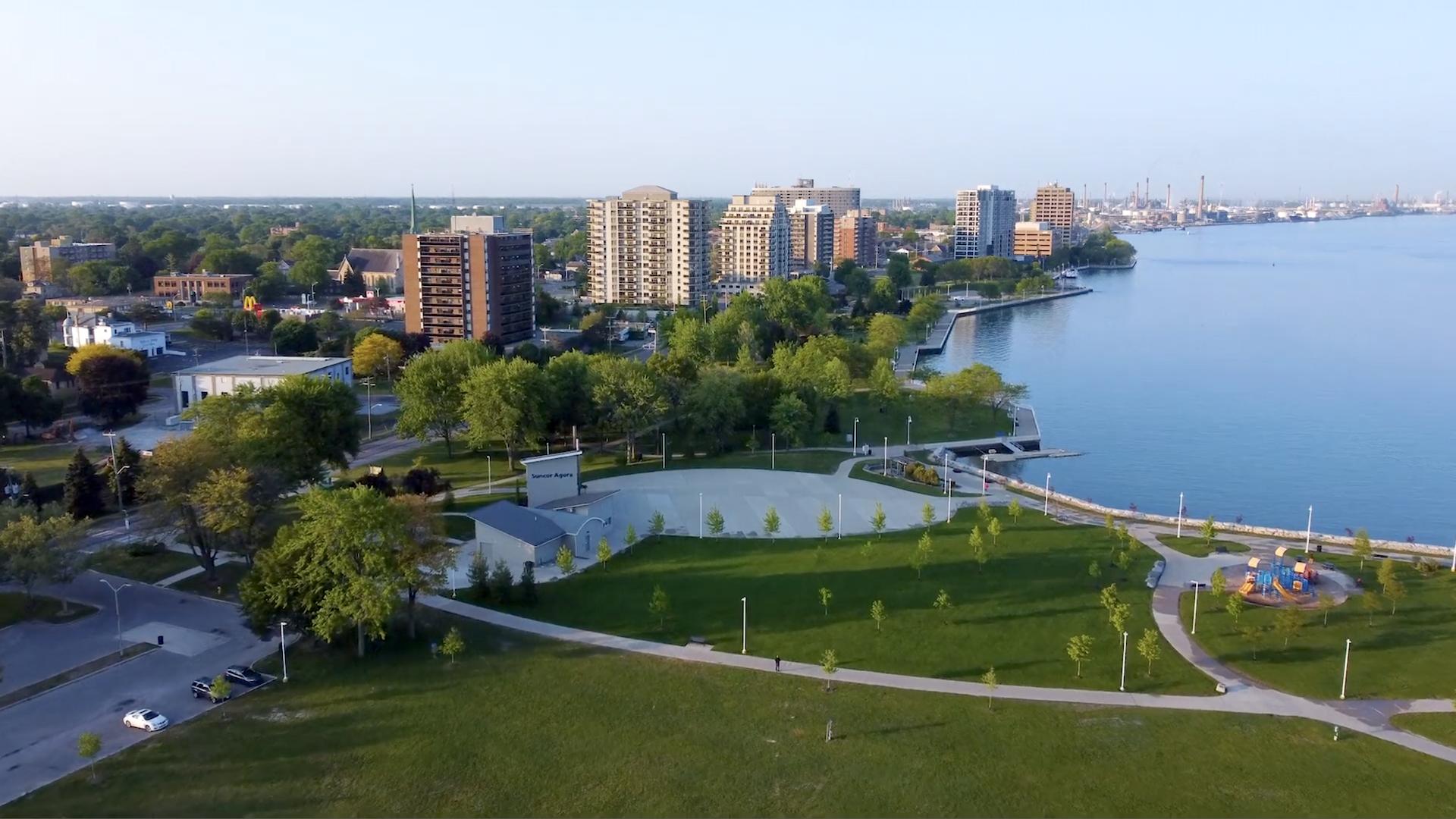
This piece unpacks how a professional commercial appraiser in Lambton County approaches new construction, where the local context matters, and what sponsors, lenders, and municipal partners should assemble to support a credible value opinion.
The local setting shapes the numbers
Lambton County has a mix you do not find everywhere in Ontario. Sarnia’s petrochemical complex, the Bluewater Bridge trade corridor, lake‑effect weather, and a patchwork of communities like Petrolia, Wyoming, and Grand Bend make for distinct submarkets.
Industrial demand ties closely to the petrochemical and logistics ecosystem. Buildings that support process manufacturing, storage, and specialized distribution often command rents and sale prices that differ from generic light industrial bays. Well‑located warehouse product with clear heights in the mid‑20s to low‑30s feet, dock loading, and good truck courts moves quickly when availability tightens. On the other hand, functionally obsolete industrial buildings can sit unless priced sharply, particularly if they carry legacy environmental risk.
Retail and mixed‑use play out along traditional corridors and tourist‑driven nodes. Main street storefronts in smaller towns rely on local traffic and seasonal spending, while highway‑oriented retail in Sarnia follows commuter patterns and cross‑border trips. Purpose‑built medical, dental, and service retail with custom improvements can stabilize well if the trade area demographics line up.
Office is segmented. Owner‑user professional offices can work at modest scales, particularly near hospitals or civic hubs. Large speculative office has more headwinds, so presale or prelease evidence matters. As for multi‑residential under a commercial mandate, lenders frequently ask for both as‑if complete and as‑stabilized value, along with a lease‑up timeline and an operating deficit calculation if concessions are expected during initial absorption.
Those submarket realities hang over every cost estimate, rent forecast, and yield assumption the appraisal must justify.
Why new builds demand a different lens than existing assets
An appraisal of a stabilized, existing commercial building is backward‑looking and evidence https://blogfreely.net/geleynpmom/why-your-business-needs-a-commercial-building-appraisal-in-lambton-county-ndy2 heavy. You can walk the corridors, pull actual rent rolls, trend actual expenses, and measure trailing income against market expectations. With new construction, you are valuing the promise and the plan. That means verifying the feasibility of the project and translating construction drawings, budgets, and permits into an economic statement the market will recognize.
Two dates often matter: as‑is value of the site and any improvements to date for draw purposes, and prospective values as of the date of completion and as of the date of stabilized occupancy. Those prospective opinions force the appraiser to state assumptions clearly, especially around market rent, vacancy, operating costs, and capitalization or discount rates.
What lenders and investors usually expect to see
Most lenders financing commercial construction in Lambton County ask for a narrative appraisal compliant with Canadian Uniform Standards of Professional Appraisal Practice, produced by an AACI‑designated appraiser. For multi‑phase or higher‑risk projects, they may also require periodic site reports tied to construction draws. Even when a sponsor is funding internally, an independent value opinion helps calibrate equity and risk, and it often becomes a working tool when refinancing on stabilization.
Terminology matters. A value as‑is is not the same as as‑if complete, and neither equals as‑stabilized. An appraiser makes those distinctions explicit and conditions the opinion on completion in accordance with specific plans and specifications.
The three classic approaches, adapted to a new build
Every credible commercial property appraisal in Lambton County evaluates the Cost, Income, and Sales Comparison approaches for relevance, then weights them. With a new build, the Cost Approach carries greater weight than it does for older assets, because depreciation is limited and replacement cost is more measurable. The Income Approach often drives the answer if the property will be leased at market terms. The Sales Comparison Approach is useful when enough sales of similar new or near‑new assets exist, which is not always the case in smaller submarkets.
Cost Approach with construction reality, not wishful thinking
For a new build, the Cost Approach begins with replacement or reproduction cost new, verified against a recognized cost source and actual contracts. Many practitioners rely on national cost guides, supplier quotes, and builder agreements. A competent commercial appraiser in Lambton County then layers in:
- Hard costs, ideally from executed trade contracts or a general contractor’s guaranteed maximum price where available. Soft costs, including design, engineering, permits, development charges where applicable, legal, financing, and marketing. On most commercial builds in Southwestern Ontario, soft costs often land between 15 and 25 percent of hard costs, depending on complexity. Specialized facilities can run higher. Contingency and escalation. Even with a fixed‑price contract, owners usually carry a contingency line. For budgeting, 5 to 10 percent is common for shells, higher for projects with bespoke tenant improvements. Entrepreneurial incentive or profit. Market participants expect a return for organizing and bearing development risk. A typical range runs from 8 to 15 percent of total cost, with riskier projects pushing the high end. Site improvements that matter in Lambton County, such as heavy‑duty asphalt for truck routes, snow management areas sized for lake‑effect winters, and utilities sized for process uses near the petrochemical cluster.
The Cost Approach yields a value indication that should not float free from market feasibility. If the derived cost significantly exceeds what the Income Approach supports, that is a market signal, not a math error. In that situation, the appraisal will explain whether the gap likely closes through rent growth, a change in scope, or an entrepreneurial shortfall the equity must absorb.
Income Approach that recognizes lease‑up and stabilization
The Income Approach for a new build answers three linked questions. What will it earn at market terms, how long until it reaches that level, and what yield should an investor demand for this asset in this location.
Start with market rent, not just pro forma figures. For industrial, that means comparing clear height, loading, power, and bay size to a tight set of recent leases. In the Sarnia area, a well‑spec’d modern warehouse might achieve market net rents in the high single digits to low teens per square foot, depending on location, unit size, and tenant covenant. Specialized lab or process space will sit in its own lane, and straight comparisons fail unless adjusted for buildout cost and responsibility for maintenance and process equipment.
Retail rents vary widely across Lambton County. Highway‑oriented pads with national covenants can sit above small‑town main street shops by several dollars per square foot. Medical and dental, with higher buildout costs and lower turnover risk, often secure longer terms with rent structures that amortize improvements.
Office demand is deeper near hospitals, government, and long‑established professional clusters. New speculative office space in a fringe location will need a rent or inducement strategy to fill.
Vacancy, credit loss, and expense ratios then shape net operating income. Many new buildings run lean on repairs at first, but snow removal, insurance, and utilities do not wait. Triple‑net structures shift much of the expense line to tenants, but management, non‑recoverables, and structural reserves still belong somewhere in the analysis.
For yield, a market‑supported capitalization rate and, if modeling lease‑up, a discount rate for interim cash flows come into play. In Southwestern Ontario, stabilized cap rates for small‑ to mid‑scale industrial and well‑located necessity retail have, in recent years, often bracketed the mid‑5s to low‑7s, with asset quality, covenant strength, and location pushing figures up or down. Secondary locations and single‑tenant riskers can stretch into higher yields. The appraisal should cite current market evidence, not a rule of thumb, and explain adjustments for size and quality.
When preleasing exists, tie it to signed offers with conditions spelled out. A letter of intent is not a lease. If inducements, free rent, or landlord‑funded improvements are part of the deal, the model must recognize their cash impact.
Sales Comparison where evidence exists
Comparison sales play a supporting role. New or nearly new commercial buildings in Lambton County do trade, but the sample can be thin in any given quarter. That makes time adjustments and qualitative calls more important. Comparable sales from neighbouring counties can help, yet cross‑market differences in taxes, development charges, and tenant mix require explicit adjustments. Bulk sales, sale‑leaseback deals with atypical rent, or distressed transactions can mislead if taken at face value.
When the sales approach suggests values materially higher than what income would support for the same building, test the story. Was the buyer an owner‑user who paid a premium to secure a strategic location. Did the sale include inventory or business value. Was there excess land with additional density. A commercial property appraisal in Lambton County should lay those factors out clearly.
Documents that make an appraisal stronger
The fastest way to a credible report is a complete, current file. Lenders, owners, and builders who assemble the essentials early save weeks of back‑and‑forth and reduce contingencies in the final value opinion.
Essential items to provide:
- Final or near‑final architectural, structural, mechanical, and electrical drawings, with a clear schedule of finishes and specifications. Executed construction contracts and trade breakdowns, including any guaranteed price, allowances, and escalation clauses. A detailed budget by division, showing hard and soft costs, contingency, financing, and developer fee. Planning documents, including zoning confirmation, site plan approval status, minor variances, easements, and any development charge estimates. Preleasing or presales evidence, including signed leases, offers, rent summaries, and tenant improvement obligations.
With those documents in hand, a commercial appraiser in Lambton County can align the valuation with the real shape of the project, not a generic template.
Site and entitlement realities specific to Lambton County
Zoning categories and site plan requirements vary from town to town. A light industrial designation that seems broad might still limit outdoor storage, stack heights, or noise. Pipelines, rail spurs, and transmission corridors run through parts of the county, and associated easements can cut into usable site area or restrict building forms. Before assigning value to excess land, confirm whether it is truly developable under current rules, not merely open ground.
Environmental due diligence is not optional near legacy industrial lands. A Phase I Environmental Site Assessment that flags historical uses will likely lead to further testing, and lenders frequently condition advances on a clean file or a remediation plan. Brownfield incentives exist in some municipalities and can improve feasibility, but an appraisal will reflect market risk until the path to clean closure is well established.
Soil bearing capacity and groundwater management influence foundation design and cost. Proximity to the lake adds climate considerations. Snow drift analysis, roof loading, and ice control systems are not window dressing on a cost sheet. Insurance underwriters look for these details, and so do tenants with national risk departments.
Costing the tenant improvements and specialized buildouts
For single‑tenant buildings with specialized improvements, two questions matter. What portion of the improvements is generic and stays with the real property, and what portion is process or trade‑specific, installed by or for the tenant, and better considered personal property. A laboratory’s epoxy floors and enhanced HVAC often integrate into the realty, whereas movable equipment and some process lines do not. The appraisal should separate these as best as available information allows, since lenders do not underwrite personal property in a real estate loan.
Tenant improvement allowances ripple through effective rent. A $40 per square foot allowance on a 10‑year lease is not free. Either the rent reflects that amortization, or the landlord absorbs the cost and realizes a lower true yield. A good model puts those dollars on the table, not in the footnotes.
As‑is, as‑if complete, and as‑stabilized, spelled out
An as‑is opinion addresses the value on the date of the appraisal, considering the state of site work and any vertical progress to date. It factors in what a willing buyer and seller would agree to, with current conditions, permits, and risks. For construction financing, lenders use the as‑is value to set initial loan‑to‑value ratios and the release of funds against progress.
An as‑if complete opinion assumes the building is finished according to the plans and specifications reviewed. It still may not be fully leased. That value is relevant for later draws, near completion, and for setting expectations at project closeout.
An as‑stabilized opinion contemplates a leased and operating building at normal occupancy, typically after concessions burn off and tenant improvements deliver their intended revenue. This is often the anchor for term financing and refinancing. Where lease‑up requires months, the appraiser can provide a lease‑up analysis that quantifies interim deficits and the date of stabilization.
How we test the pro forma
Pro formas are forecasts, not guarantees. In practice, a commercial appraisal services assignment in Lambton County will stress test the key assumptions. If the subject is a multi‑tenant industrial project with 40,000 square feet to fill, the appraisal might apply a two‑to‑four month downtime per unit between tenant turnover in later years, even if the first lease‑up is faster. For retail pads, the analysis often assumes expense recoveries that reflect real snow removal, landscaping with irrigation, and waste contracts for food service, not a generic line item.
When sponsor budgets understate soft costs, the Cost Approach flags it. When rents are set above market evidence without compensating tenant incentives, the Income Approach flags it. And when cap rates are out of step with current market trades for similar risk, the Sales Approach and market yield evidence force a correction.
A short example from the field
A client in Sarnia planned a 30,000 square foot warehouse with 28‑foot clear height, five docks, a drive‑in bay, and a 2,500 square foot office. The initial budget priced hard costs at $135 per square foot. Soft costs sat at 10 percent and contingency at 3 percent. No provision for developer profit appeared, because the owner was building for long‑term hold. Pro forma rent penciled at $12.50 net.
In the appraisal, cost verification via contractor quotes and current material indexes suggested hard costs closer to $145 to $155 per square foot, driven by slab reinforcement, dock equipment, and upgraded electrical. A realistic soft cost load landed near 18 percent, and contingency at 7 percent matched recent mid‑project changes on similar builds. We introduced an entrepreneurial incentive, even for a hold strategy, because market value recognizes it. That moved the total cost materially higher than the owner’s tally.
On the income side, leases in the trade area for comparable clear height and loading were signing in a range of roughly $11 to $13 net, with newer space on the high end when tied to strong covenants. After deducting a modest non‑recoverable expense line and applying a cap rate consistent with recent trades of similar small‑bay industrial in Southwestern Ontario, the Income Approach supported a value that sat between the owner’s original budget and our revised cost figure. The report explained the gaps, recommended locking material pricing where possible, and noted that preleasing even a third of the space to a credit tenant would compress yield assumptions and support loan sizing.
The lender used the as‑if complete value for later draw targets and the as‑stabilized value to set refinancing triggers. The sponsor revisited roofing and lighting specs to trim cost without harming rent potential, a trade‑off that the market would accept.
Common pitfalls we see, and how to avoid them
Good projects stumble for preventable reasons. In Lambton County, three issues repeat. Sponsors underestimate soft costs and municipal timelines, especially for site plan approval. They assume tenant improvement allowances are fully recovered in rent when the market does not support that premium. And they lean on comparable sales that are really owner‑user purchases, which embed business value and urgency premiums that a passive investor would not pay.
Early conversations with municipal planning staff help, as does clarity on utility capacity for water, power, and sanitary service. On the leasing front, match allowances to covenant strength and term length, and document everything. When assembling comparable evidence, make sure the appraiser understands which sales are investment trades and which are strategic owner‑occupier buys.
Coordinating the appraisal with construction draws
Most construction loans release funds based on percentage complete, certified by a quantity surveyor or project monitor. The appraisal works in concert with those reports. Lenders often request periodic site inspections from the appraiser as well, to confirm market conditions and any changes that would impact end value. Clear change orders, updated budgets, and revised leasing schedules should flow to the appraiser as they occur. Surprises late in the game are the ones that strain covenants.
Where development charges, taxes, and assessments fit
Development charges differ by municipality and project type and can change the economics in a meaningful way. They belong in the cost stack. Property taxes, once the building is on the roll, will reflect assessment and local rates. While the Municipal Property Assessment Corporation provides assessed values, those figures are not market value. An appraisal for market value applies approaches tailored to investor behavior, not assessment policy. Still, a seasoned commercial appraiser in Lambton County will review projected taxes against recent assessments of comparable buildings to avoid unpleasant shocks in year one of operations.
Insurance, replacement cost, and risk management
Lenders often ask for an insurance appraisal or at least an opinion of insurable replacement cost. That figure is not the same as market value. It typically excludes land, entrepreneurial profit, and some soft costs, while emphasizing debris removal and code upgrades. In a county where winter weather can stress roofs and truck yards, accurate replacement cost keeps coverage aligned with real risk.
Timelines and delivery, with realistic expectations
A full narrative appraisal for a new construction commercial project usually takes between two and four weeks from receipt of complete documentation. When planning approvals are fluid, or leasing negotiations are active, expect document updates and clarifying calls. Rushing the process often creates more lender questions and conditions. If a loan committee date is fixed, share it early. An experienced firm offering commercial appraisal services in Lambton County builds the schedule around those constraints.
What sets a strong Lambton County appraisal apart
Local knowledge tightens assumptions. Knowing which industrial pockets move quickly and which retail nodes depend on summer traffic improves rent and yield calls. Relationships with brokers who close investment trades provide current cap rate evidence that national databases can lag. A measured read of cross‑border dynamics and fuel logistics near the bridge can mark the difference between a rent of $11.75 and $12.50 on a warehouse, which becomes a six‑figure swing in value.
A robust report also shows its workings. It lists assumptions, tests alternatives, and names its sources. If a range of cap rates is justifiable, it states why a point in that range was selected. If a tenant improvement budget looks thin, it says so and quantifies the impact. Sponsors and lenders can work with that clarity.
A compact roadmap from engagement to delivery
From the moment you engage an appraiser to the day the report lands, a clear sequence keeps momentum and prevents rework.
A practical four‑step path:
- Scoping and document intake, including a call to fix the valuation dates, property interest, and the specific questions the appraisal must answer for the lender or investors. Site visit and interviews, not just a walkthrough but a discussion with the builder, leasing agent, and, where appropriate, municipal staff to confirm timelines and conditions. Analysis and modeling, weaving cost verification with market rent and yield evidence, and drafting the as‑is, as‑if complete, and as‑stabilized opinions with transparent assumptions. Review and delivery, including a call to walk through key sensitivities, and prompt revisions if material documents change before the lender’s credit meeting.
Working with the right partner
Choosing a firm for a commercial real estate appraisal in Lambton County is partly about credentials and partly about fit. Look for AACI designation, recent experience with the same asset class and size, and references from lenders who actually close loans in this market. The firm should be candid about what the evidence supports and willing to challenge optimistic pro formas with constructive alternatives.
Some assignments ask for more than a one‑off value. Pre‑purchase land valuation with density scenarios, feasibility reviews that test rent and cost bands, and periodic market updates during a long entitlement period can save larger sums later. A relationship mindset helps, because markets shift and assumptions age.
Final thoughts for sponsors and lenders
New construction carries moving parts. In Lambton County, where industrial specialization and small‑market dynamics sit side by side, those parts move in different rhythms depending on location and use. A careful commercial building appraisal in Lambton County aligns the math with the place. It validates cost, tests income against real leases, places cap rates in a living market, and draws bright lines between as‑is, as‑if complete, and as‑stabilized value. With the right documents and a responsive team, the appraisal becomes less of a hurdle and more of a decision tool.
When in doubt, ask early. A quick pre‑engagement call about zoning, buildout scope, or target rents can head off weeks of redesign, and it makes the final report cleaner. For owners, that means fewer surprises and surer footing with lenders. For lenders, it means fewer conditions and clearer risk. For both, it means a project that reaches the finish line on market terms, at a value the evidence can defend.