A good commercial appraisal is part market intelligence, part forensic accounting, and part local storytelling. In Elgin County, the story has shifted quickly. Industrial land that sat quiet for years is now in the path of serious investment, thanks to the Volkswagen PowerCo battery plant in St. Thomas and the supply chain that will gather around it. Port Stanley’s hospitality market has matured, small bay industrial space near the Highway 401 corridor is tight, and main street mixed use in Aylmer and West Lorne trades more on cash flow than on glossy finishes. When you hire a commercial appraiser in Elgin County, you are asking for a grounded opinion that stitches these threads together into a defensible value.
This guide walks through how commercial real estate appraisal works here, what to expect, what to provide, and how to read the results so you can make better decisions.
What a commercial appraisal really is
A commercial appraisal is an independent, unbiased opinion of value for a specific property, as of a given effective date, prepared for an identified client and intended use. In practice, that often means a lender needs to understand market value for financing, or an owner needs a credible figure for purchase, sale, development, litigation, or estate planning. In Canada, appraisals should conform to CUSPAP, the Canadian Uniform Standards of Professional Appraisal Practice, and in the commercial sphere they are typically signed by an AACI designated member of the Appraisal Institute of Canada.
Two words commonly cause confusion in Ontario. Assessment and appraisal are not the same. Assessment, performed by MPAC, supports property taxation. It is based on mass appraisal models and valuation dates set by the province. Appraisal is a one‑property‑at‑a‑time analysis completed for a private purpose such as financing. If you search for commercial property assessment Elgin County, you will likely find MPAC resources. If you need an opinion for lending, purchase, expropriation, or shareholder matters, you need commercial appraisal services in Elgin County.
Why local context matters in Elgin County
Elgin County is not a monolith. Market behavior shifts over a few kilometers, and understanding those micro markets is where a seasoned commercial appraiser earns their fee.
St. Thomas sits at the heart of the county and anchors most industrial and office demand. The planned EV battery plant has put a new floor under industrial land pricing in the east and south quadrants and has pulled forward expectations for absorption. A vendor who would have taken mid 300,000s per acre for serviced industrial land two years ago now tests the low 400s, sometimes higher if utilities and frontage align.
The Highway 401 corridor through Central Elgin and Southwold sees distribution users chase modern clear heights and quick access. Small bay space, 2,000 to 6,000 square feet, rarely sits vacant more than a quarter if it is clean, heated, and has acceptable loading. Investors translate that stability into cap rates in the mid 6 to low 7 percent range for stabilized assets, depending on lease term and tenant strength.
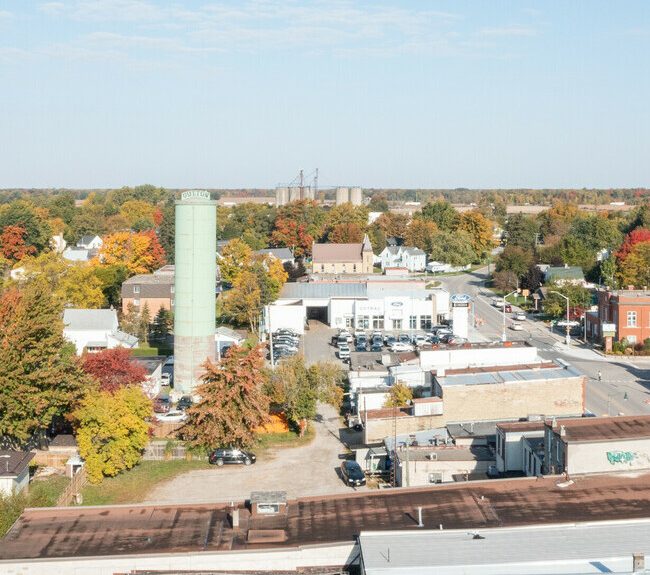
Port Stanley behaves like a seasonal resort market, with hospitality and retail that peak in summer and level in shoulder seasons. Underwrite vacancy and seasonality with that cadence in mind, not a Toronto strip retail template. West Elgin and Dutton Dunwich have thinner transaction volume, which means each sale carries more weight in a sales comparison analysis, but it also means adjustments require sharper judgment.
In Aylmer and Malahide you see agricultural operators in transition, often adding ancillary commercial uses like equipment sales, small contractor yards, or cold storage. These hybrids straddle commercial and agricultural valuation conventions. Site coverage, allowable use under zoning, servicing, and proximity to trucking routes will matter as much as building age.
When to hire a commercial appraiser in Elgin County
Most clients call for one of a few reasons. Financing a purchase or refinance tops the list. Lenders typically require a full narrative report for loans over a certain threshold, and they will insist on an AACI signature. Purchase and sale due diligence benefits from a third‑party check when the property is unusual, the rent roll is complex, or the purchase price embeds development rights that are not straightforward to parse. Expropriation or road widenings trigger partial taking appraisals that carve the land and damages into digestible components. Estate planning and shareholder buyouts need fair market value supported by market evidence.
A note on timelines. In Elgin County, a thorough commercial real estate appraisal often takes seven to fifteen business days from site inspection, depending on scope, data availability, and complexity. If you want a rush, be candid about your deadline during the initial call so the commercial appraiser in Elgin County can advise on feasibility and any premium fee.
Who is qualified and what lenders expect
For commercial work, look for an AACI designated appraiser, preferably with direct experience in your property type and municipality. Many lenders maintain approved appraiser lists. Ask your lender to confirm eligibility before you engage. Expect the appraiser to quote a scope, fee, and timeline, and to ask pointed questions about intended use, property history, and any embedded rights like excess density or grandfathered legal non‑conforming uses.
Reports come in different depths. A restricted report answers a narrow question for a specific user and is not suitable for most lending. A narrative report provides full detail on the market, property, approaches to value, and reconciliation. Desktop and drive‑by assignments exist, but for income producing assets in this region, lenders usually want an interior inspection and a complete narrative.
How value is determined
Almost every commercial appraisal rests on three classic approaches, used in combination depending on property type and data reliability.
The income approach capitalizes the property’s stabilized net operating income. It is most compelling for properties where investors buy income streams, such as industrial, retail, and most office. The appraiser normalizes rents to market levels, adjusts for vacancy and credit loss, subtracts non‑recoverable expenses, and applies a market supported capitalization rate. If cash flows are uneven or if major lease rollovers sit on the horizon, a discounted cash flow model can account for timing.
The sales comparison approach benchmarks the subject against recent, arm’s length sales, then adjusts for differences in location, quality, size, age, condition, lease terms, and other factors. It is central for land and owner‑occupied assets where income data is thin or irrelevant. In Elgin County’s smaller submarkets, fewer comparables mean each adjustment carries more scrutiny. The appraiser should explain not just the adjustments, but why certain sales were excluded.
The cost approach estimates land value and adds depreciated replacement cost of improvements. It can guide value for special purpose properties like churches, arenas, or unique agricultural processing facilities. It also helps set a floor in insurable value calculations. In a rising construction cost environment, reproduction cost can outrun market value for older assets, so the cost approach needs careful depreciation modeling.
The income approach in practice, Elgin County edition
Suppose you own a 12,000 square foot small bay industrial building in Southwold with four equal units. Two units lease at 12.50 per square foot net, one at 11.75, and one is vacant. Market evidence from six leases within a 20 minute drive points to 12.75 to 13.50 net for comparable units with similar loading and 16 foot clear height. The appraiser will set stabilized market rent, perhaps 13.00, apply typical vacancy and collection loss, say 3 to 4 percent in this submarket, and deduct non‑recoverable expenses like management and structural reserves. If stabilized NOI lands around 140,000 and recent sales of similar product in the county and nearby London traded between 6.25 and 7.25 percent, the capitalization rate likely falls in the mid 6s if the leases are clean and tenants have decent covenants. That would indicate a value in the low 2 million range. If the roof is near end of life or the vacant unit has been dark for months, the appraiser may model downtime and leasing costs and nudge the https://dallasjkpq745.cavandoragh.org/avoiding-valuation-pitfalls-tips-from-commercial-building-appraisers-elgin-county cap rate wider.
For a main street mixed use building in Aylmer, with two street‑front retail units and three second floor apartments, the appraiser will likely use a blended approach. Residential rent control, tenant turnover, and unit condition will shape the residential gross income and expenses. Retail tenants on gross leases need to be normalized to net terms to compare apples to apples. A seven to eight percent cap rate might be reasonable depending on lease security and the level of capital work recently completed.
In Port Stanley, a boutique inn or a seasonal restaurant requires a different lens. The income stream is volatile and often tied to the operator. A stabilized income approach may be less persuasive on its own. The appraiser should lean on sales of similar going concern properties, adjust for differences in food and beverage ratios, room count, and owner’s compensation, and reconcile carefully.
The land question
Land valuation in Elgin County is a study in segmentation. Industrial parcels near Veterans Memorial Parkway or with quick 401 access carry a premium over interior rural lots that require servicing extensions. Commercial land along major arterials in St. Thomas behaves differently from a corner lot in a village where traffic counts are modest. The sales comparison approach drives most land valuations, but adjustments for servicing status, frontage, depth, topography, and timing are significant.
Users sometimes ask for a price per acre shortcut. It can serve as a sanity check. In practice, the market prices frontage and depth for retail and mixed use, and gross acreage for larger industrial layouts. Where a site has excess land beyond what current improvements require, the appraiser should separate value for the extra land if it is legally and physically severable. If not, it is surplus land that may add utility but not linearly add value.
Highest and best use, the quiet hinge in every report
Every credible appraisal in Elgin County answers a prior question. What is the highest and best use of the property, as though vacant and as improved. That analysis tests what is legally permissible, physically possible, financially feasible, and maximally productive. Rezoning potential along the St. Thomas south end has grown more realistic since the battery plant announcement, but potential is not permission. An appraiser may acknowledge the probability of a zoning change and model a path to value if the evidence supports it, yet they should anchor the primary conclusion in current zoning unless a change is near certain.
On older industrial sites with large yards, the highest and best use as vacant may lean toward subdivision into smaller serviced lots. As improved, the best use might be continued use for several years with a redevelopment premium baked into the land component. That nuance affects cap rate selection and residual land value.
Data in a thin market, and how pros handle it
In Toronto, you can drown in sales. In West Lorne, you might have three relevant sales in twelve months. A commercial appraiser in Elgin County builds files from multiple sources. Local brokers, Teranet title records, MLS, proprietary databases, and direct verification calls fill the gaps. Lease data comes from landlord interviews, rent rolls, and confirmation from market participants. When sales are older, time adjustments matter. In an environment where industrial rents have grown 10 to 20 percent over two years, a 2022 sale cannot be applied straight across without normalizing.
The best reports show their work. If a sale required a 6 percent time adjustment, or if a lease was loading intensive and commanded a premium, that should be explained clearly. When a data point is out of step with the cluster, the appraiser should either exclude it or justify why it still informs value.
Environmental and building issues that move the needle
Elgin County has its share of legacy industrial sites. Phase I environmental site assessments are common lender requirements, especially for properties with historical automotive, dry cleaning, or heavy manufacturing use. If a Phase II identifies impacts, value can be affected through direct remediation costs, stigma, or both. Savvy appraisers coordinate with environmental consultants to ensure cost estimates are current and to avoid double counting risk in both costs and cap rates.
Building systems deserve the same scrutiny. Roof age, HVAC type, electrical service, and loading determine leasing velocity and tenant quality. A 1970s block building with a tar and gravel roof and 12 foot clear will not lease at the same number as a 2000s steel building with TPO roofing and 20 foot clear, even if both sit on the same street. Investors translate that delta into rent and cap rate differences.

Reading cap rates in context
Clients often ask for a cap rate number before they provide documents. Cap rates are not a commodity. They move with tenant covenant, lease term, building age, location, and interest rate expectations. In Elgin County through late 2024 and early 2025, the following broad ranges have been common in closed deals and credible offerings:
- Stabilized small bay industrial with average tenant covenants: roughly 6.0 to 7.25 percent, tighter for newer construction near 401 access, wider for older product with short terms. Neighborhood retail with service oriented tenants: roughly 6.25 to 7.75 percent, tighter if anchored by a strong national, wider for mom and pop rosters or short weighted average lease term. Suburban office in St. Thomas: roughly 7.5 to 9.5 percent, with vacancy risk doing most of the widening.
Those are ranges, not promises. A clean rent roll with five years of term left and steady history will command a different rate than a similar box with rolling expiries and immediate capital needs.
What to provide your appraiser
A thorough package speeds the process and improves accuracy. Gather the following before the site inspection.
- Current rent roll with lease start and expiry dates, rent steps, options, and recoveries, plus copies of major leases and any recent amendments Last two years of operating statements and a current year budget, broken out by recoverable and non‑recoverable expenses Recent capital improvements with dates and costs, and any reports on roof, HVAC, structural, or environmental A site plan, building drawings if available, and a survey; zoning details or any correspondence about minor variances or rezoning Details on any offers, pending deals, or unusual rights such as easements, encroachments, or shared access
If the property is owner occupied, provide an equipment list and a summary of business operations if the real estate is intertwined with the going concern. For land, provide servicing details and any geotechnical or environmental reports.
The typical appraisal process and timeline
- Initial call to define the assignment: intended use, client, property details, fee, and timeline Engagement letter and document request, followed by the site inspection Market research, including sales and lease verification, zoning review, and interviews with market participants Modeling of income and expenses, selection of cap rates and adjustments, and preparation of draft valuation Quality review, final reconciliation, and delivery of the signed report to the client
Expect questions along the way. Clarifying a lease clause or a roof warranty early prevents surprises in the final report. If a hard deadline exists, say for lender funding or a firm purchase condition, keep the appraiser updated on any moving parts.
Special cases seen often in Elgin County
Mixed use on main streets. A two storey brick building with storefront retail and second floor apartments lives at the edge of residential and commercial underwriting. Lenders may apply different loan‑to‑value ratios to each component. An appraiser will break out income streams and expenses accordingly, and may reconcile to a blended cap rate only after testing residential and retail sub components.
Owner user sales with vacant possession. When a welding shop or contractor’s yard sells to an owner occupier, the price reflects buyer utility and sometimes synergies, not just income potential. The sales comparison approach remains primary, with attention to features such as power supply, cranes, yard size, and exposure.
Hospitality and seasonal assets. In Port Stanley and along the lakeshore, restaurants and inns trade on a mix of real estate, equipment, and business value. If a valuation is needed for lending, be clear whether the bank is lending against real estate only or against the going concern. The appraiser needs to separate components and apply the right methods.
Self storage and mini warehouses. Demand has increased as residential density builds in St. Thomas. Rents per square foot may look high relative to industrial, but operating models and expense ratios differ. A unit mix report and occupancy history are essential.
Ag‑related commercial. Cold storage, equipment dealerships, and greenhouse support facilities sit in the overlap of agricultural and commercial codes. Zoning permissions, MDS setbacks, and access for transports all affect value. The cost approach can be instructive when improvements are specialized.
Fees, scope, and choosing value scenarios
Fees vary with complexity, distance, and turnaround. A straightforward narrative appraisal for a small industrial building in St. Thomas might run in the low four figures. A multi property portfolio, a development site with staging, or a litigation assignment will land higher. Be candid about the intended use. Financing typically requires market value, as is. A development assignment might include market value as if complete and stabilized, with an analysis of absorption and an entrepreneurial incentive. For expropriation or partial takings, the appraiser may need before and after valuations, severance damages, and injurious affection analysis.
Some clients ask for liquidation value or forced sale value. CUSPAP allows alternative definitions if clearly stated and supported, but lenders usually prefer market value with reasonable exposure time. If an accelerated sale is realistic, the appraiser can comment on likely discounts and marketing periods.
Common pitfalls and how to avoid them
Inconsistent rent roll data sabotages timelines. Reconcile lease abstracts with actual lease copies before you send them. If recoveries differ by tenant because of negotiated caps or unusual exclusions, flag those clearly.
Overestimating zoning flexibility derails expectations. Do not assume a use is permitted because a neighbor does it. Get a zoning certificate or at least verify with the municipality’s bylaw and planning staff. In Elgin County’s smaller towns, minor variance processes can be pragmatic, but assumptions still need footing.
Ignoring capital needs inflates value. A cracked parking lot or an end‑of‑life rooftop unit will cost real money. If you have quotes, share them. If you lack quotes, a prudent appraiser will insert allowances, which may be more conservative than your actual plan.
Assuming cap rates are portable. A 6.25 percent cap rate on a strip in London does not automatically apply to one in Port Stanley or West Lorne. Tenant mix, trade area depth, and liquidity differ.
How to use the report once you have it
An appraisal is not just a number on the last page. Read the highest and best use section first. Then check the rent and expense assumptions against your own records. Look at the sales and lease comparables, and if one feels off, ask why it was included. If you disagree with a point, provide contrary evidence. Professional appraisers are open to clarifications when the new information is objective and verifiable.
For lenders, the report supports underwriting and sets loan metrics. For owners, it can guide capital projects, lease negotiations, or timing a sale. For buyers, it can help calibrate offer strategies, particularly on properties with development angles.
Finding the right partner for commercial appraisal services in Elgin County
A good commercial appraiser in Elgin County blends technical chops with local awareness. Ask about recent assignments in your municipality. If a firm only quotes downtown office towers in Toronto, they may not be the right fit for a contractor yard in Dutton Dunwich. Clarify who will inspect and sign the report. Ensure the scope matches your lender’s requirements. Request sample redacted reports if you need a sense of format and depth.
When you search for commercial real estate appraisal in Elgin County, you will find national firms and local boutiques. Both have strengths. Nationals offer scale and multi market consistency. Locals often get the zoning nuance and the quiet off market trades faster. The best choice is the team that proves they understand your property, your timing, and your intended use.
A final word on the market ahead
Elgin County will navigate construction noise and optimism as suppliers cluster around the new plant. That brings jobs, housing demand, and commercial absorption, along with infrastructure strain and growing pains. For valuation, that means two truths at once. Today’s value needs to reflect current leases, costs, and risk. Tomorrow’s potential belongs in highest and best use, residual land values, and development scenarios with clear evidence.
If you approach commercial property appraisal in Elgin County with that split lens, you will get opinions of value you can trust, and you will make decisions that match both the market you see and the one that is almost here.